Full Analysis of Takeaway Box Inspection Process
——Third-Party Inspection Company Safeguards Food Container Safety & Export Quality
I. Why Professional Inspection for Takeaway Boxes Is Required
Takeaway boxes are food-contact packaging, whose quality directly affects food safety. A qualified takeaway box must resist leakage under hot soup, avoid collapse under stacking load, and release no harmful substances when in prolonged contact with food. Therefore, packaging manufacturers, catering brands and overseas purchasers are attaching greater importance to container quality control. Hiring professional third-party inspectors has become a common practice.
Guangdong Huajian Inspection is a professional third-party inspection body. We provide one-stop services including on-site factory visits and laboratory testing for paper, plastic and paper-plastic composite takeaway boxes. Bilingual inspection reports in Chinese and English are issued to help export and cross-border e-commerce enterprises secure shipments.
II. Main Types of Takeaway Boxes
Inspection priorities vary by material: Paper takeaway boxes focus on leakage resistance, temperature tolerance, load capacity, fluorescent substances, formaldehyde and heavy metals. Plastic takeaway boxes are mostly made of food-grade polypropylene. Key tests cover overall migration, potassium permanganate consumption, heavy metals and marked maximum operating temperature. Paper-plastic composite containers consist of paper base with plastic or coating layers. Inspections also cover food safety requirements for composite materials.
III. Complete Takeaway Box Inspection Workflow
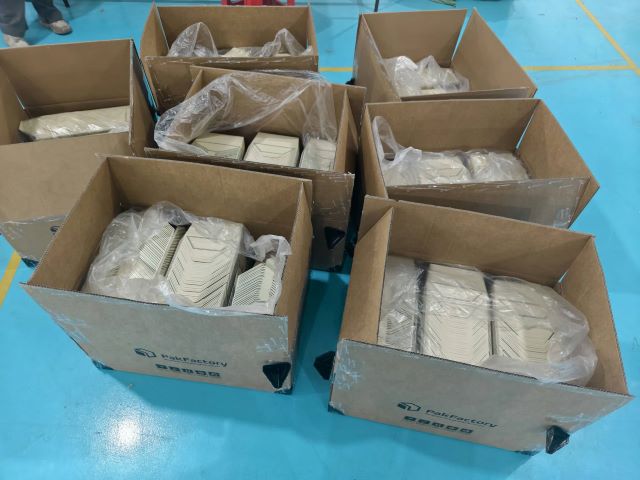
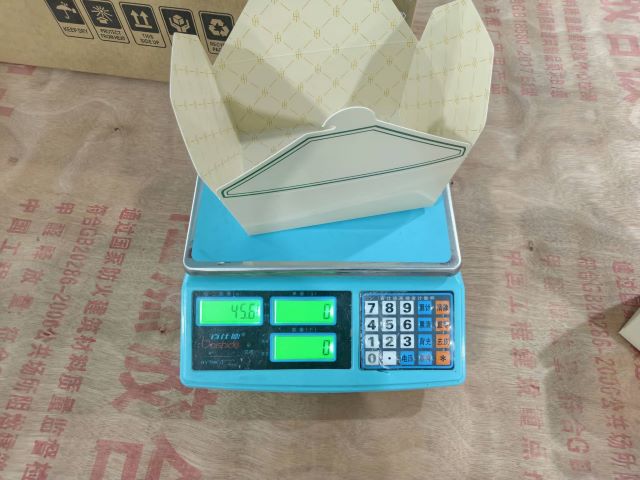
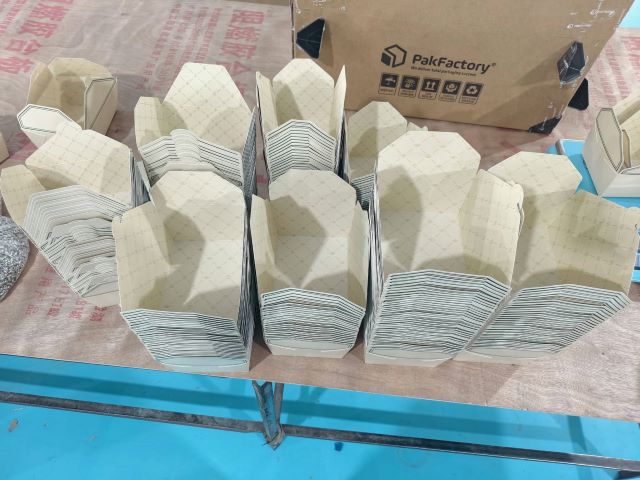
The standardized procedure includes: order acceptance → sampling → visual & marking verification → on-site testing → laboratory analysis → result assessment → report issuance. This is the standard SOP for on-site third-party factory inspection. After order confirmation, random sampling is conducted for products of the same batch and specification with sealed samples collected on site, following mutually agreed AQL standards. Inspectors then verify “For Food Contact Use” marking, material information, rated temperature and visual appearance. On-site tests such as leakage, load bearing, temperature resistance, drop and folding tests are carried out at the factory. Selected samples are sent to the laboratory for migration, heavy metal and microorganism testing. Final pass/fail judgment is made against national standards, followed by report compilation. Huajian Inspection normally sends the inspection report as a PDF file on the next working day.
IV. Core Takeaway Box Inspection Methods
Sensory inspection: Check appearance, odour and colour bleeding.
Physical performance testing: Evaluate leakage resistance, load capacity, heat resistance, drop resistance and folding durability for practical use.
Food contact migration test: Simulate immersion in water, acid and oil media to detect substance migration.
Instrumental analysis: Quantify heavy metals, potassium permanganate consumption and fluorescent whitening agents.
Microbiological test: Detect total bacterial count and pathogenic bacteria.
V. On-Site Test Items (Key for Factory Visits)
On-site tests can be completed without sophisticated lab equipment and form the core of factory QC.
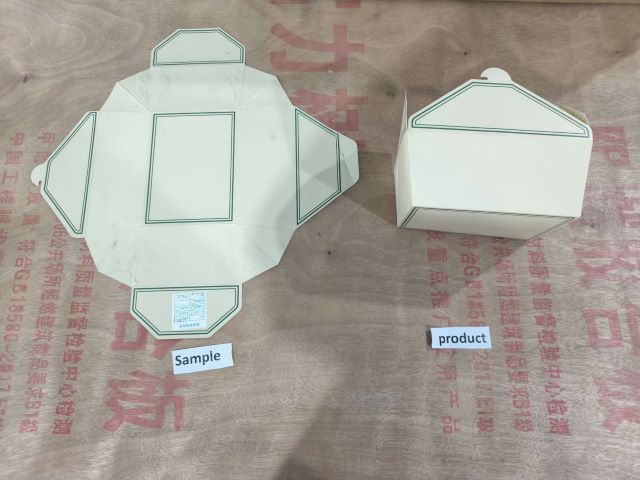
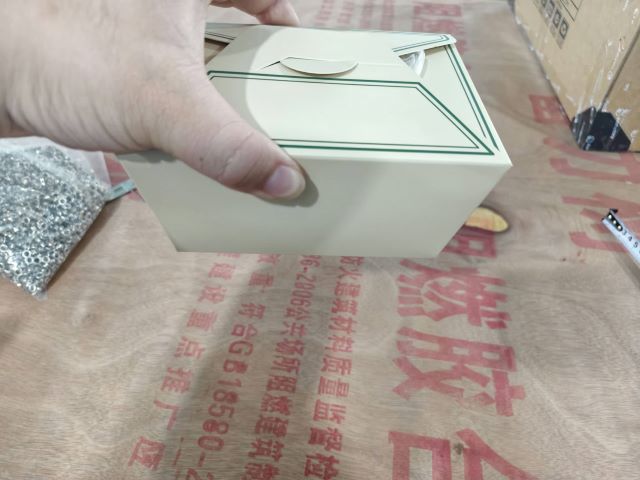
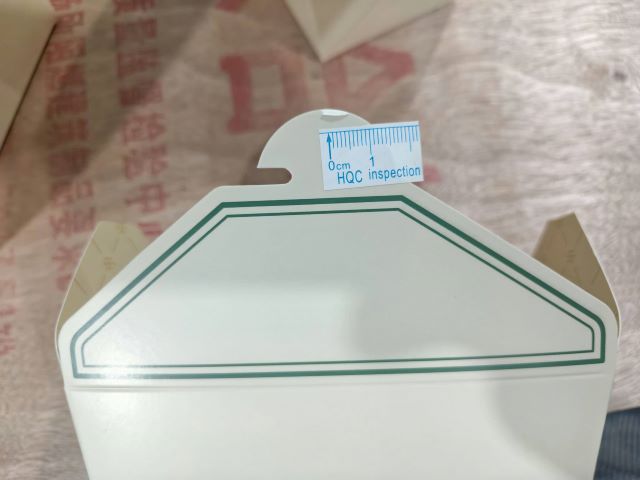
Sensory check: Smooth surface, no cracks or damage, stable printing and no strange odour.
Leakage test: Pour hot liquid at around 90°C and hold for 5–30 minutes; no seepage at box bottom or creases.
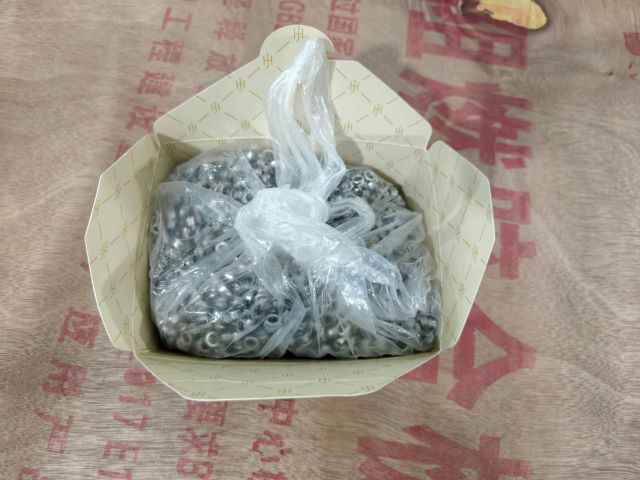
Load test: Add counterweights to simulate stacking and observe deformation or collapse.
Heat resistance test: Keep at labelled working temperature to check softening and deformation.
Drop test: Drop from specified height to check cracking.
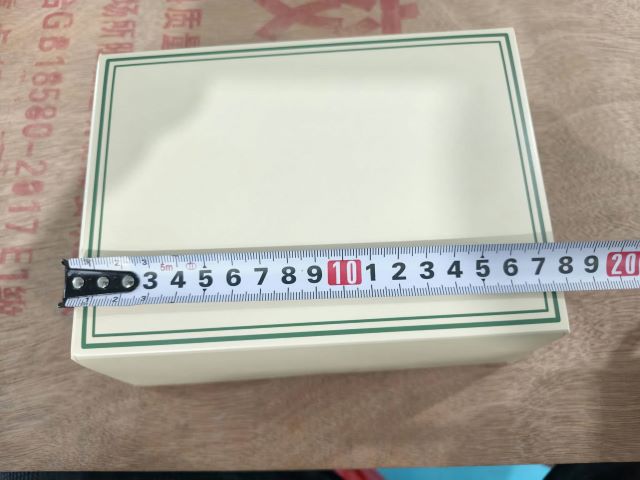
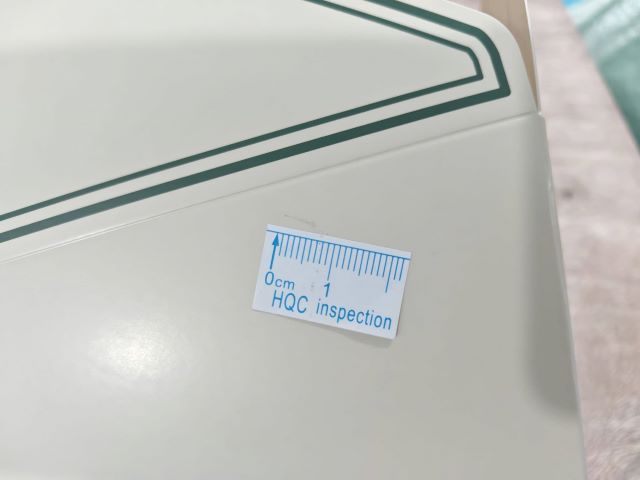
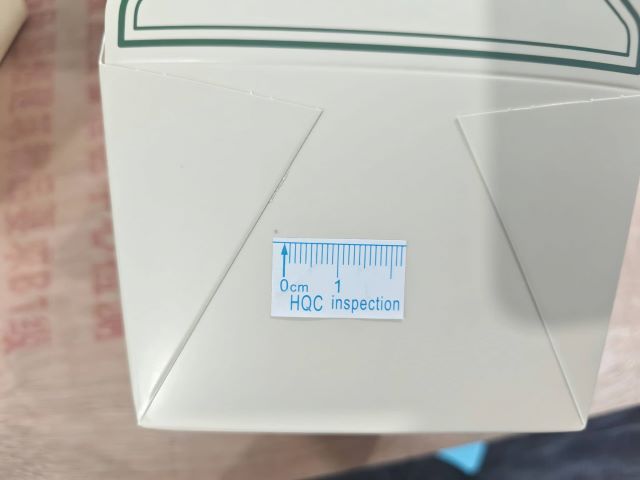
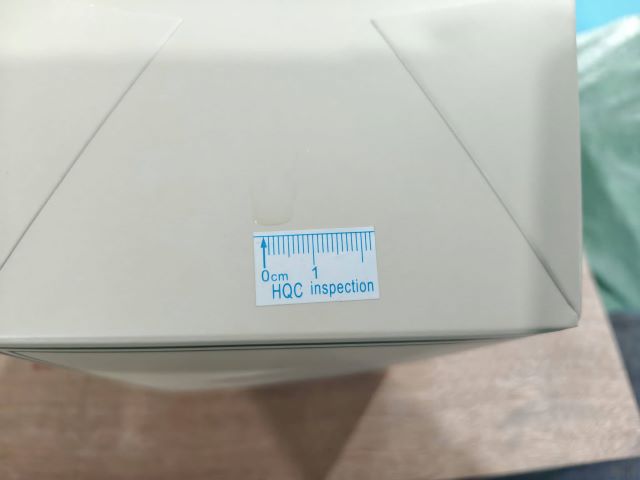
Dimension & capacity check: Verify length, width, height and volume against marked values.
Folding durability: Repeatedly open and close lids to check cracking at creases (critical for paper boxes).
Marking verification: Confirm “For Food Contact Use” label and rated temperature.
VI. Core Laboratory Safety Test Items
Laboratory testing targets chemical safety and hygienic indicators: overall migration, potassium permanganate consumption, heavy metals (calculated as lead), fluorescent substances, decolourisation test and microbiological indicators. For paper takeaway boxes, a key requirement is that no detectable migratable fluorescent whitening agents are allowed. Microbiological tests cover total colony count, coliforms, Salmonella and Staphylococcus aureus.
VII. Applicable Standards for Takeaway Box Inspection
Inspections must comply with mandatory national food safety standards and recommended product standards.
Paper takeaway boxes: GB 4806.8—2022 Materials and Articles in Contact with Food – Paper and Board
Plastic takeaway boxes: GB 4806.7—2023
Paper-plastic composite containers: GB 4806.13—2023 For product performance: paper boxes refer to GB/T 27589—2011 Paper Food Containers; paper tableware refers to GB/T 27591—2025. Test methods follow GB 31604.1—2015 General Principles of Migration Test and relevant standards for overall migration and potassium permanganate consumption.
VIII. Conclusion: Professional Third-Party Inspection Guards Quality & Exports
Visible performance indicators such as leakage, heat resistance and load capacity, together with invisible safety indicators including chemical migration and fluorescent substances, all require scientific testing. As a professional third-party inspection, testing and certification body, Guangdong Huajian Inspection offers inspection services for takeaway boxes, tableware and food containers. Our services cover on-site factory QC, container loading supervision and pre-shipment inspection (PSI), with bilingual Chinese-English inspection reports available. Choose third-party inspection services from Huajian Inspection to safeguard the quality and safety of every takeaway container shipment.