
Methods & Procedures for Third‑Party On‑Site Garment Inspection
1. Why Third‑Party Inspection Is Needed for Foreign Trade & Cross‑border Shipments
Foreign‑trade and cross‑border e‑commerce orders (including Amazon) feature large volumes and long supply chains. Relying solely on suppliers’ self‑inspection cannot deliver objective evaluation of bulk‑goods quality. Engaging an independent third‑party inspection company for on‑site inspection enables impartial quality control prior to shipment, effectively cutting quality‑related risks and return costs. It is a widely‑adopted practice for garment foreign‑trade quality management.
2. Pre‑inspection Preparation: Verify Orders & Confirm Standards
Prior to factory arrival, inspectors check order documents to confirm style numbers, fabric composition, size assortments, quantities and workmanship requirements to avoid inspecting wrong styles or batches. Inspection criteria and sampling plans shall be agreed by both buyer and seller. Bulk goods are generally sampled under the AQL sampling standard to define sample size and acceptance criteria.
3. Sampling & On‑Site Inspection Workflow
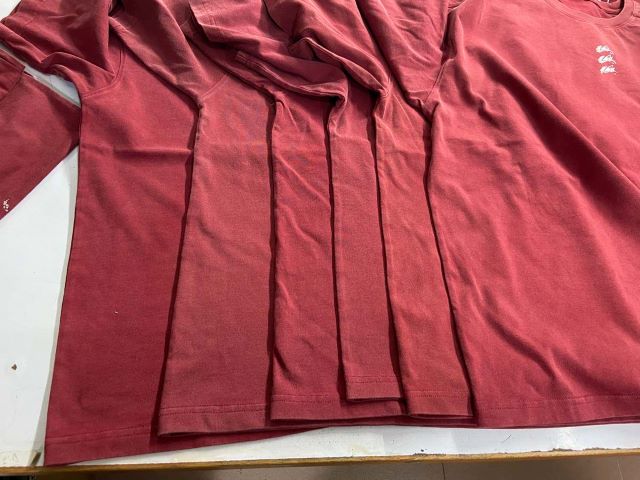
Upon arrival at the factory, random samples are selected per the AQL plan for item‑by‑item on‑site inspection. Samples shall cover various sizes and batches to ensure representativeness. During on‑site quality control, inspectors examine each sampled item against agreed standards and log defects on‑site for full traceability.
4. Key Inspection Items
These are core items for garment quality inspection: (1)


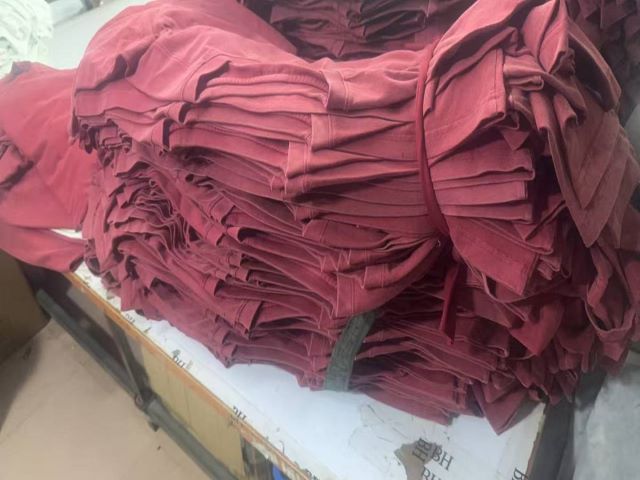
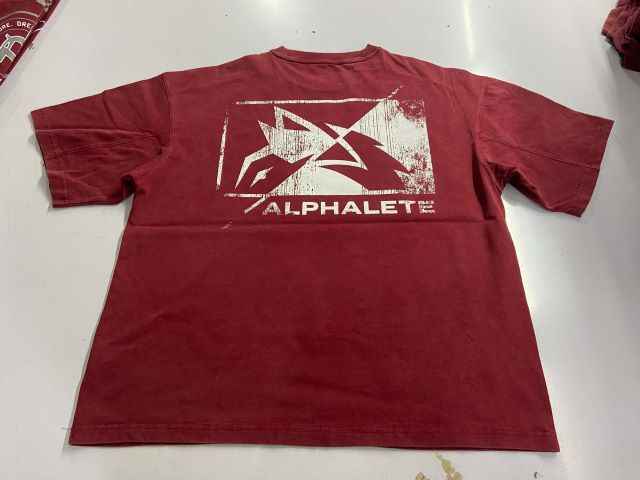
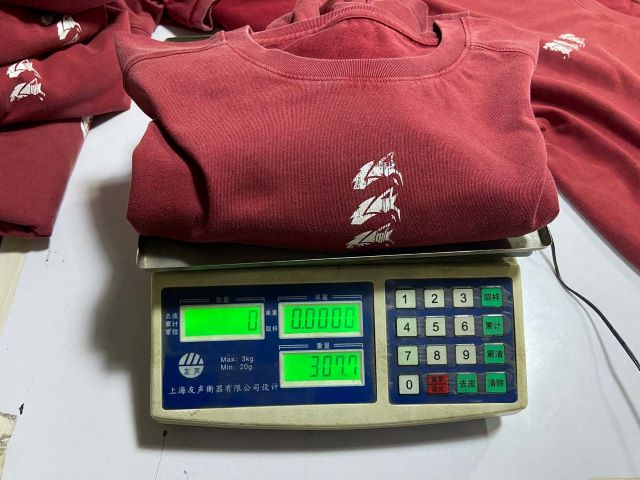
Outer Packaging: Check cartons, polybags, barcodes and packing condition for integrity and compliance.
(2) Labels & Accessories: Verify hang tags, care labels and size labels against orders; confirm accurate fabric composition and washing instructions.
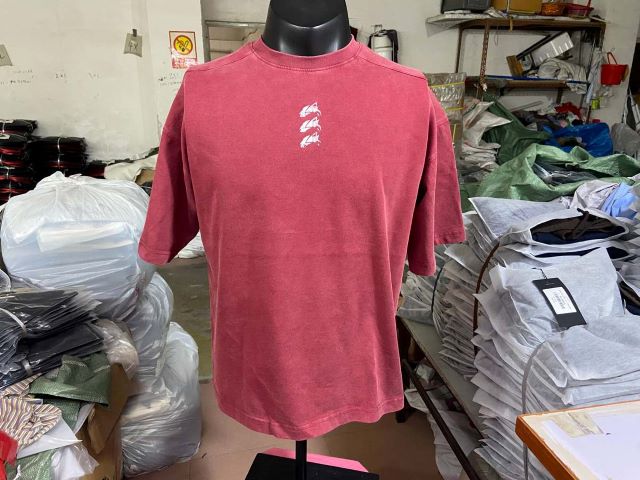
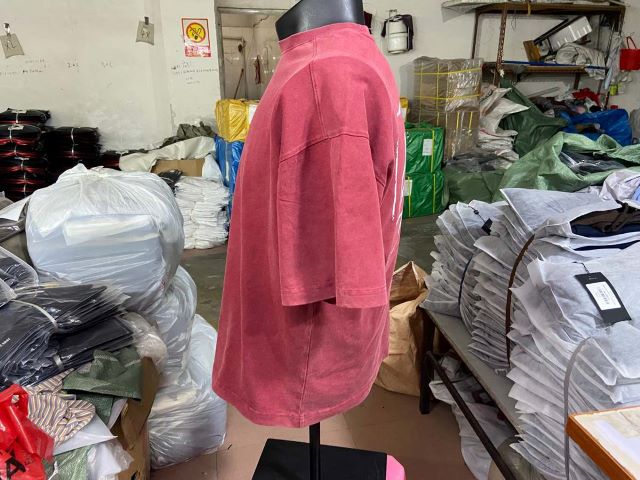
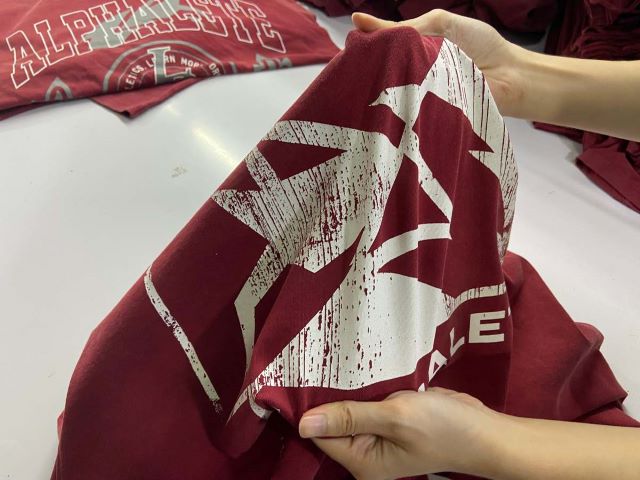
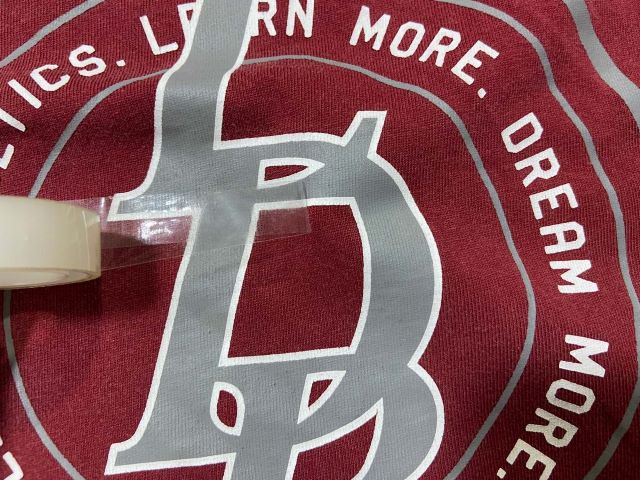
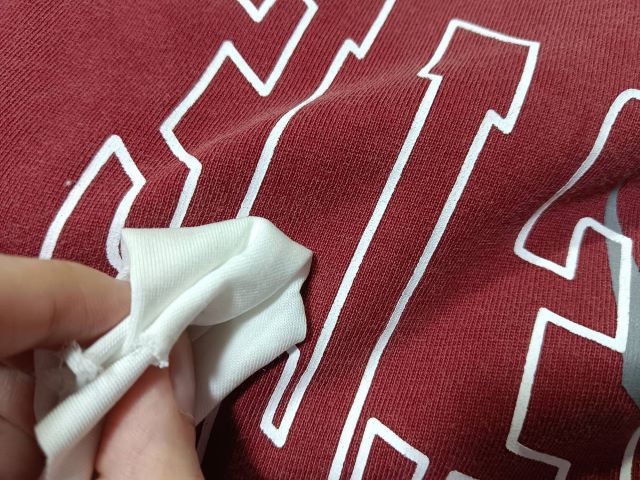
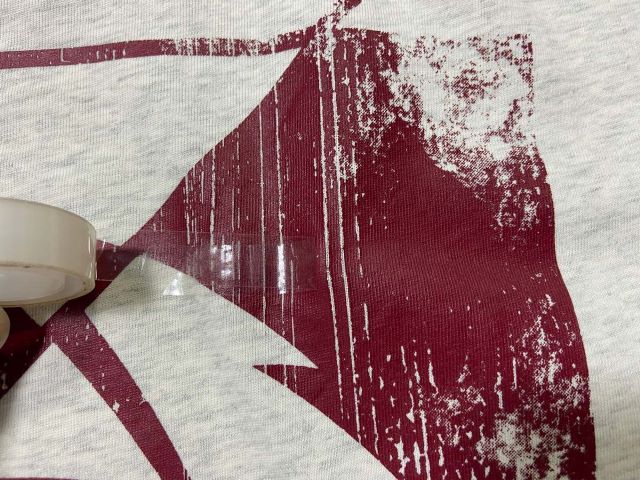
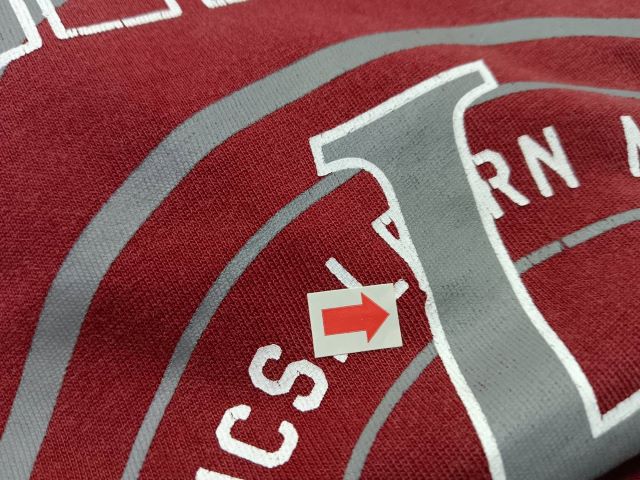
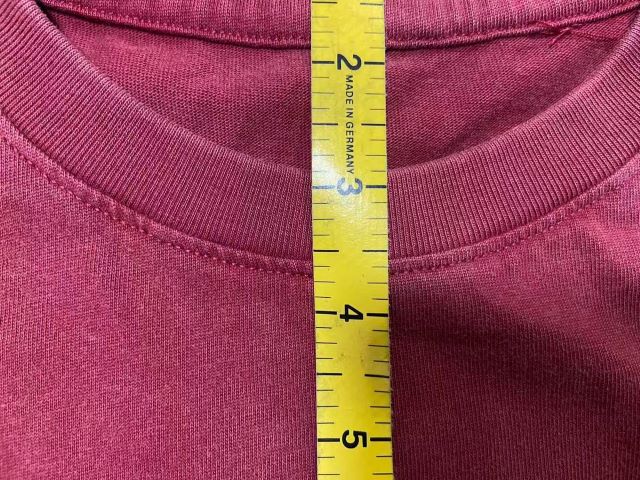
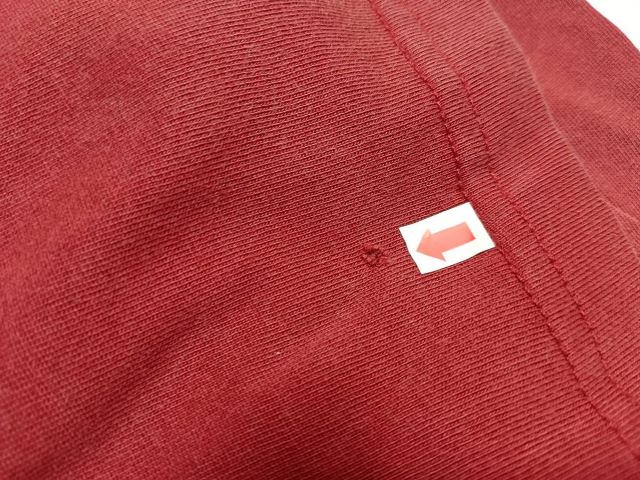
(3) Visual Quality: Check color shading, fabric defects, printing & embroidery flaws.
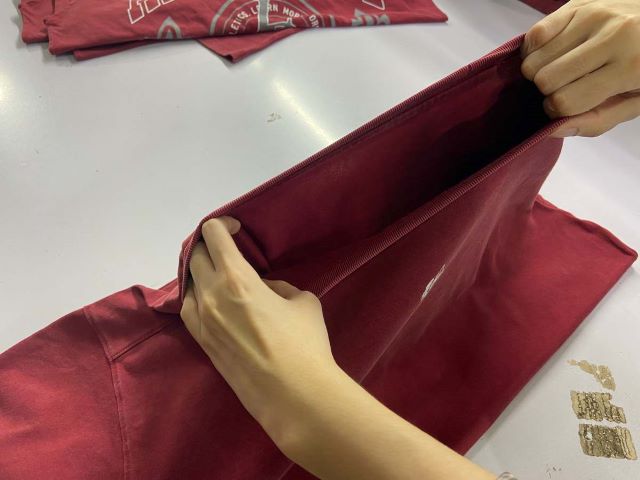
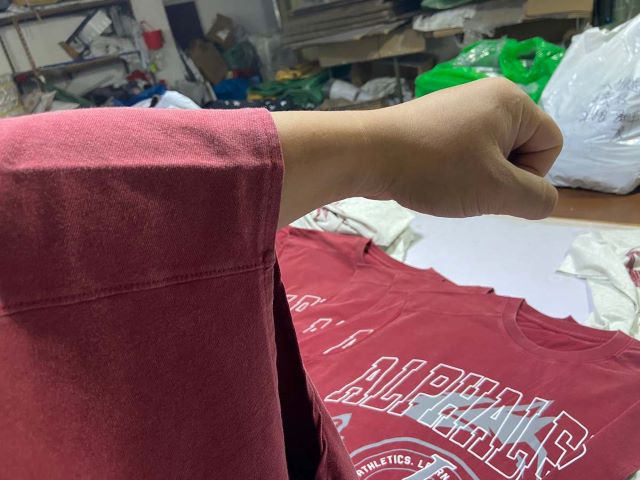
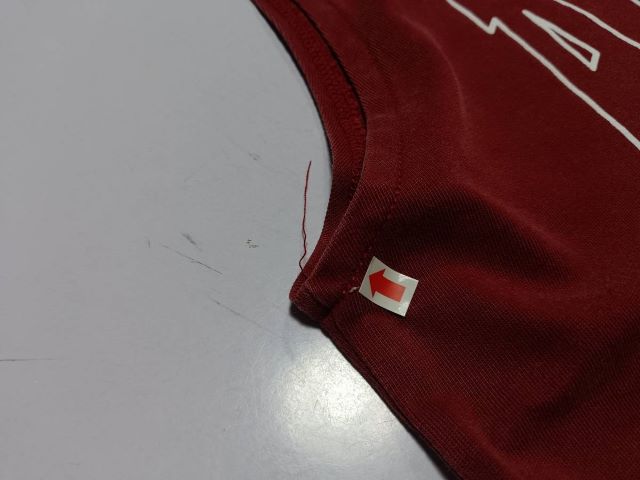
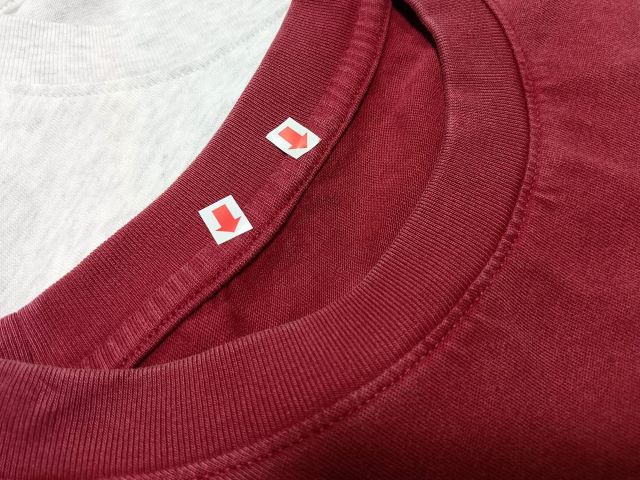
(4) Sewing Workmanship: Inspect stitch quality, stitch density, skipped stitches, puckering and thread trimming.
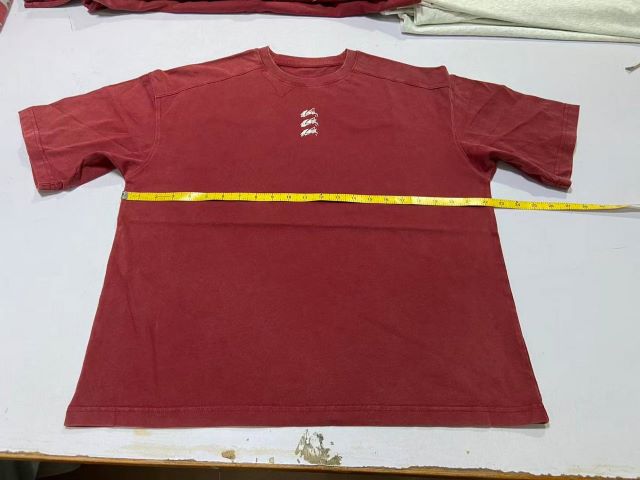
(5) Size Specification: Measure garment dimensions of sampled pieces to check compliance with tolerance limits.
(6) Basic Performance: Conduct on‑site simple tests including fit check and color fastness assessment.
5. Defect Logging & Lot Disposition
Detected non‑conformities are logged and classified into critical and minor defects. Compare defect counts against AQL acceptance limits to determine lot acceptability. Photos are taken as supporting evidence for traceable inspection records during on‑site QC.
6. Inspection Report & Shipment Arrangement
A preliminary inspection report is issued upon inspection completion for confirmation by buyer and supplier. If the lot fails inspection, re‑inspection can be arranged after rework. Shipment may proceed only after satisfactory re‑inspection results. Pre‑shipment inspection can be combined with container loading supervision for additional shipment‑quality assurance.
7. Conclusion
For garment foreign‑trade merchants and Amazon cross‑border sellers, partnering with a professional third‑party inspection company for garment inspection greatly improves objectiveness and efficiency of bulk sampling. Compared with in‑house QC, independent third‑party inspection service delivers superior impartiality, professionalism and traceability, making it a sustainable solution for export product inspection.