
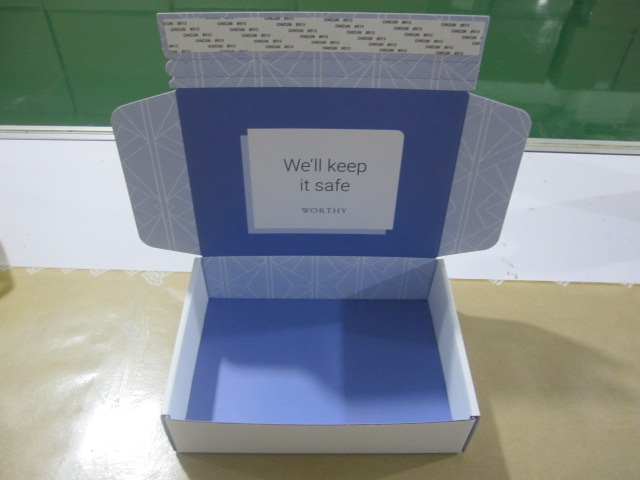
Inspection Method & Standard for Printed Color Boxes
Scope: Final shipment inspection for various printed paper color boxes, including art paper boxes, grey back white boxes, boxes with lamination, UV coating and hot stamping processes.Sampling Standard: GB/T 2828.1. General foreign trade AQL: Critical=0, Major=2.5, Minor=4.0. Customer specification takes precedence.Inspection Environment: Standard light source or natural daylight, viewing distance 30cm with normal naked vision.Application: On-site factory QC, third-party inspection and pre-shipment inspection for foreign trade.
1. Routine Dimension & Visual Inspection
Dimension InspectionItems: length, width, height, insertion flap size, glue margin, crease position, unfolded size. Method: Multi-point measurement by digital caliper, compare with drawings, approved samples and BOM. Criteria: General tolerance ±1~2mm; precision boxes ±0.5mm. Customer drawing requirements prevail. Reference: GB/T 4892, GB/T 25160
Visual & Structural InspectionItems: warpage, deformation, edge burst, burrs, cutting burrs, damage, creases, stain, black spots, scratches, dents. Method: Visual check + hand feel, inspect front, back and inner corners. Criteria: No obvious stain, damage or deformation; smooth cutting edge; no defects affecting appearance or assembly. Reference: GB/T 7705
Color Difference InspectionItems: overall color deviation, uneven color, color mottling, color streaks. Method: Compare with customer approved sample / Pantone color under standard light; measure ΔE by colorimeter. Criteria: ΔE≤3.0 for regular boxes; ΔE≤1.5 for high-end boxes. No obvious distinguishable color difference by naked eye. Reference: GB/T 7705
Register Accuracy InspectionItems: multi-color misregistration, ghosting, missing print, blurred image. Method: Visual check + magnifying glass for graphic register. Criteria: Register error ≤0.2mm, no misalignment, ghosting or missing print. Reference: GB/T 7705
Graphic & Text VerificationItems: texts, LOGO, patterns, warning statements, model, specifications. Method: Compare word by word and image by image with AI artwork and approved sample. Criteria: No wrong, missing or extra characters; no distorted pattern or position offset. Reference: GB/T 7705
Barcode / QR Code TestItems: barcode clarity and scannability. Method: Scan by barcode reader on site. Criteria: Stable scanning without error code; no blurriness, broken bars or smudged bars. Reference: GB/T 14258, ISO/IEC 15416
Surface Decoration InspectionItems: lamination bubbles, snow spots, wrinkle, delamination; uneven/missing UV coating; hot stamping peeling, fuzzy edge, misalignment; embossing depth inconsistency and indentation damage. Method: Full visual and hand touch inspection. Criteria: Precise position, smooth and uniform surface, no peeling, bubbles or defects. Reference: GB/T 7705
Paper Thickness & Basis Weight Items: paper grade, thickness, basis weight, stiffness. Method: Thickness gauge for thickness; cut sample and weigh to calculate basis weight, compare with specification. Criteria: Paper material, thickness and basis weight consistent with order confirmation. Reference: GB/T 451.2, GB/T 451.3
Glue Joint Adhesion Test Items: glue joint delamination, opening, offset gluing, excess glue, weak bonding. Method: Gently pull glue joint to check bonding strength. Criteria: Firm adhesion without opening, centered glue line, no severe excess glue. Reference: GB/T 6543
2. On-site Functional Tests
Flip Cover Fold Resistance Test (for flip-top boxes)Method: 180° reciprocating opening & closing 5 times (normal) / 20 times (strict). Check: surface cracking, paper burst, crease breakage, fold whitening. Criteria: No surface cracking, paper burst or fracture. Reference: GB/T 2679.5
Ink Adhesion Test (for laminated, UV and printed surface)Method: Apply 3M600/610 tape tightly then pull off vertically quickly. Criteria: No ink peeling. Reference: GB/T 9286, ASTM D3359
Surface Abrasion Resistance Test (simple on-site test) Method: Rub printed surface 30~50 times with clean cotton cloth / eraser under fixed pressure. Criteria: No color fading, substrate exposure or obvious scratch whitening. Reference: GB/T 7705
Forming & Assembly Test Method: Manual folding, bottom locking, tongue insertion, trial assembly with product. Criteria: Square box with 90° corner; proper tightness of insertion flap; no popping or jamming; smooth assembly. Reference: customer drawings, approved samples and assembly specification
Finished Product Drop Test Method: Pack product into color box, drop in sequence: one corner, three edges, six faces. Normal drop height: 0.8m–1.0m (adjust by package weight). Criteria: No box cracking, glue joint opening or damage; product intact. Reference: GB/T 4857.5, ISTA 1A (for Europe & USA export)
Stacking Compression Simulation Test Method: Stack full cartons, simulate warehouse stacking for ≥4h (stack height approx. 2m). Criteria: No collapse, severe deformation or crease rupture. Reference: GB/T 4857.4
3. Defect Classification
CR (Critical Defect): Hazards for safety / regulation, completely unusable
MAJ (Major Defect): Affect appearance, assembly and transportation; high risk of customer rejection
MIN (Minor Defect): Slight blemishes, no impact on usage and overall appearance