
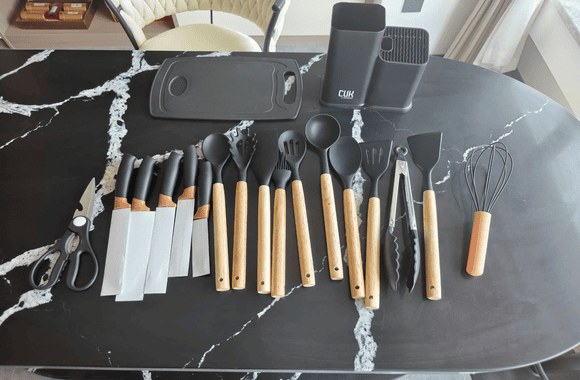
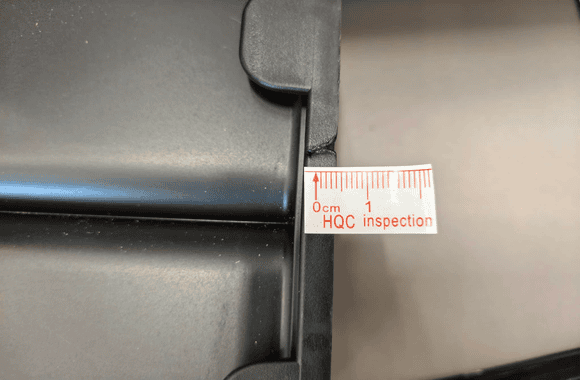
Issued by: Guangdong China Inspection and Testing Co., Ltd, holding authoritative qualifications including CMA, CNAS, ISO/IEC17020, ISO9001, providing integrated service of on-site inspection, sample sealing & laboratory testing. |
Sampling Rules
Follow GB/T2828.1-2012 (equivalent to ANSI/ASQ Z1.4), General Inspection Level-II, random sampling. Destructive tests such as drop-test, heat-spot-check sampled as required. If calculated sample size exceeds total lot quantity, perform 100% inspection.
Defect Levels
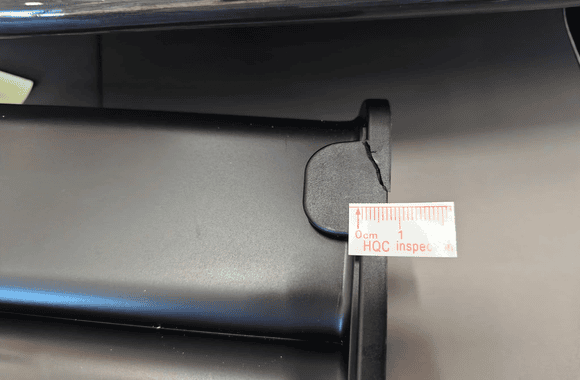
1. Critical Defect (Zero Tolerance,AQL=0): Sharp flash / burr, penetrating crack / hole, broken part, broken clip / hinge. Even one defective unit → full-batch rejection, shipment prohibited.
2. Major Defect (AQL=2.5): Torn / missing sealing gasket, failed vent-valve, clip failure, visible surface crack, large / dense air bubble, big impurity spot, crack under twist test, water leakage, severe thermal deformation, strong pungent odor, missing mandatory marking / food-contact symbol. Reject batch if over-limit, re-inspection after rework.
3. Minor Defect (AQL=4.0): Tiny harmless flash, small enclosed bubble ≤1 mm, minor faint speck, slight sink-mark, minor carton dent. Acceptable within allowed quantity, process improvement required.
1 Inspection Workflow
1. Check outer carton, shipping mark and PO documents.
2. Inspect color box, inner protective packing, manual and warning label.
3. Count complete set including lid, gasket, vent-valve and accessories.
4. Visual inspection: flash, burr, crack, bubble, impurity, sink-mark, color difference, gasket & vent-valve condition.
5. Dimension measurement: opening diameter, height, wall thickness, lid fitting dimension.
6. Assembly check: clip & lid closing, gasket installation, vent-valve function, hinge & moving-part performance.
7. On-site functional screening: clip opening-closing test, twist-strength test, drop-test spot-check, water-leak tightness test, simple heat-deformation spot-check, odor sensory test.
8. Verify marking, food-contact symbol and user manual safety warnings.
9. Count defects, take photos, judge accept / reject and generate inspection report.
10. Provide Container Loading Supervision service upon request.
2 Key Inspection Items
Visual Inspection
- No sharp flash / cutting burr; no penetrating crack or hole. Large or dense air-bubbles = Major defect.
- Food-contact surface free of big foreign-particle speck. Sink-mark shall not be obvious.
- Gasket without tear or mis-assembly; vent-valve intact; clip and hinge without breakage.
Note: Brittle PS / AS plastic impact performance shall be judged against approved sample. |
Dimension & Assembly
Measure opening, height, wall-thickness and lid dimension vs approved sample. Check clip closing smoothness, gasket seating, vent-valve function, hinge movement without jamming.
On-site Functional Screening
1. Clip & Lid Opening-Closing Test: 10 cycles open-close, no clip breakage or locking failure.
2. Twist-Strength Test: Apply moderate twisting force; no crack or whitening fracture.
3. Drop-Spot-Check: 60 cm drop onto hard floor; no penetration crack or fragmentation.
4. Water-Tightness Leak Test: Close vent-valve first if equipped, fill with water, invert for 3 min; no water seepage or leakage.
5. Simple Heat-Deformation Spot-Check: Pour 60-70℃ hot water and hold 5 min (small sample, anti-scalding). No obvious softening & heavy deformation. For screening purpose only.
6. Odor test: No pungent solvent or plastic smell; slight inherent plastic smell is acceptable.
Marking & Manual
Mark plastic material code, food-contact symbol if applicable, working temperature range, brand and origin. Safety warning: microwave restriction, no open-fire instruction; vent-valve operating note for relevant product. Mandatory translated warning for export orders.
3 Defect Classification
- Critical Defect: Sharp flash / burr, penetrating crack / hole, broken clip / hinge, fragmentation after drop-test. One found → full-batch rejection.
- Major Defect: Damaged / missing gasket, vent-valve failure, clip locking failure, visible crack, large bubble, impurity spot, twist-induced crack, water leakage, severe heat deformation, pungent odor, missing food-contact marking & safety warning. Reject batch if over-limit, full rework required.
- Minor Defect: Harmless tiny flash, small enclosed bubble ≤1 mm, faint surface speck, slight sink-mark, minor carton dent. Allowed for release within AQL limit, continuous process improvement required.
4 Conclusion
Daily plastic products bring multiple risks including cutting hazard, structural fracture, water-leakage, high-temperature deformation and food-contact safety concerns. Guangdong China Inspection and Testing Co., Ltd delivers comprehensive Inspection Service, covering Product Inspection Service, Pre-production inspection, Container Loading Supervision, Pre-Shipment Inspection in China and general China quality inspection. With full qualification system of CMA, CNAS, ISO/IEC17020, ISO9001, to guarantee impartial inspection procedure and credible inspection reports. This standard can be referenced by local and overseas Inspection Company, Quality Inspection Company for bulk-shipment quality risk mitigation.