
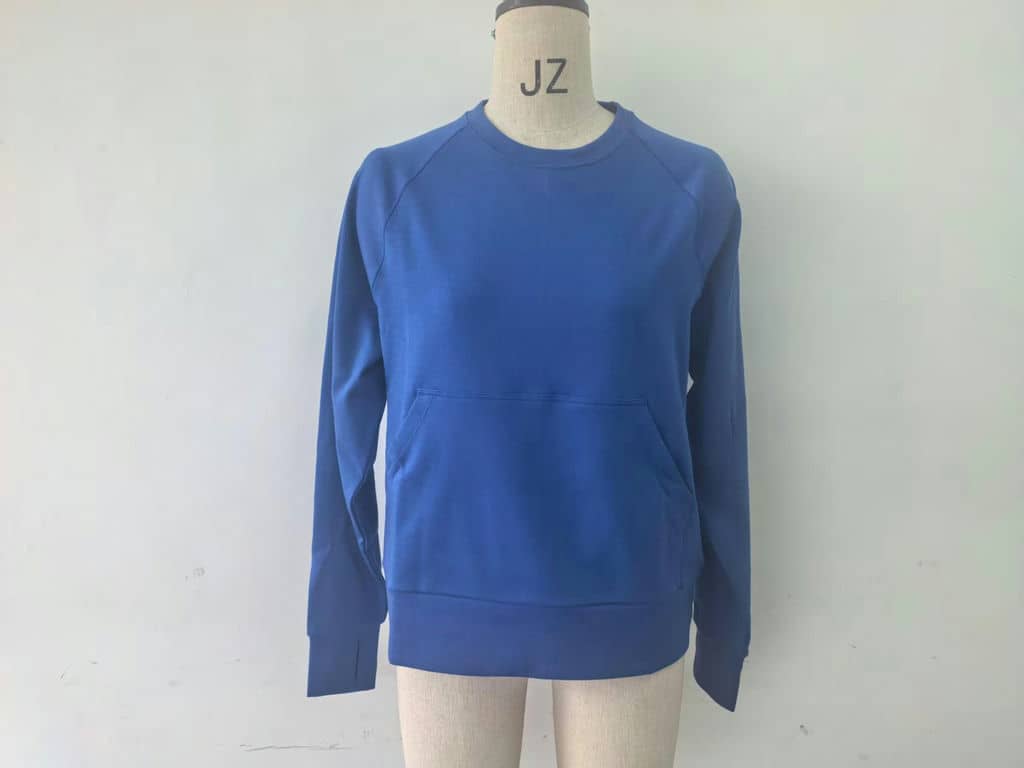
Issued by: Guangdong China Inspection and Testing Co., Ltd |
Defect Levels
1. Critical Defect (Zero Tolerance,AQL=0): Safety hazard to wearer. Even one defective unit → full-batch rejection, shipment prohibited.
2. Major Defect (AQL=2.5): Impair garment function or heavily damage appearance, easy to cause customer return. Reject batch if over-limit, re-inspection required after rework.
3. Minor Defect (AQL=4.0): Only minor cosmetic blemishes, no impact on safety & wearing performance. Acceptable within allowed quantity, process improvement required.
Sampling Rules
Follow GB/T2828.1-2012 (equivalent to ANSI/ASQ Z1.4), General Inspection Level-II, random sampling. If calculated sample size exceeds total lot quantity, perform 100% inspection. Physical-chemical tests are sampled as required.
1 Inspection Sequence
1. Visual inspection: left-right, top-down, front-back, inside-outside.
2. Grain check: fabric grain & skew within tolerance.
3. Color shade check: inspect seam shade difference at 45-degree viewing angle.
4. Sewing check: seam allowance flat, no skipped stitch / loose stitch; top-stitch even width.
5. Measurement: key dimensions within tolerance, general tolerance ±1 cm; stretch / bias fabric tolerance can be adjusted.
6. Trimming: loose threads clean-cut; seam allowance uniform; special attention for sheer fabric inner threads.
7. Pressing: garment smooth, no water-mark, press-burn or gloss mark.
8. Fastener check: buttonholes, buttons, snaps comply with approved sample.
2 Garment Part-by-Part Requirements
• Collar: symmetrical collar points & lapels; under-layer not exposed; collar stand even height, stitching smooth.
• Front panel: placket flat without wave or twist; lapel & notch symmetrical; chest full, interlining flat.
• Shoulder: shoulder seam straight, no twisting; seam fold direction consistent on both sides.
• Dart & vent: dart length equal, dart point flat; vent well-fixed with good drape.
• Pocket: reinforced bartack at pocket corner; pocket height & size symmetrical; pocket-flap no outward curling.
• Side seam & hem: side seam even; hem firmly secured; floating lining fixed with thread-loop.
• Back panel: back seam smooth; no wavy hem; back neck no stretching or unwanted gathering.
• Sleeve: sleeve hang angle symmetrical; sleeve cap round; sleeve length equal for both sides; proper lining length.
• Shoulder pad: three-point fixed, invisible stitch; full & smooth appearance, no falling-off.
• Pleat: even pleat width, good drape, neat bottom edge, well-finished shape.
• Lining: proper length, secured at armhole & side seam; fleece lining no pilling.
• Fasteners: buttonhole neat; buttons & snaps anti-rust treatment; spare button attached; snap & rivet firmly fixed, no sharp edge.
• Tape & zipper: tape proper length; zipper with stopper, teeth intact, zipper tape not caught by fabric.
• Bottoms (pants / skirt): waistband even width; pocket & back yoke symmetrical; crotch cross-seam aligned; skirt vent flat, skirt hem smooth.
• Interfacing & embroidery & print: interfacing fully bonded without glue overflow; embroidery / print intact; rhinestone & ornament firmly attached, no sharp edge.
• Knitwear: sewing with stretch-resistant thread; rib & cuff elasticity qualified; no drop-stitch, weight meets specification.
• Stitching & overlock: overlock even, no skipped stitch; fabric & accessories no color-staining; sewing thread match fabric shade.
• Labels & hang-tags: main label, size label, care label & hang-tag correctly positioned, complete information, match actual garment.
3 Special Category Requirements
1. Down / cotton-padded garment: filling fibre cannot poke-through fabric; placket flat; draw-cord & elastic match specification. Follow general garment requirements for rest items.
2. Denim / washed garment: check slub yarn, hole, water-wash mark, yellow stain; wash effect comply with approved sample (except special craft).
3. Knit sweater: check fly-fiber, pilling, drop-stitch, uneven dyeing and satisfactory washing softness. Strictly follow size chart; focus on symmetry of collar, shoulder, sleeve & cuff.
General dimension tolerance: ±1 cm; tolerance adjustable for stretch / bias-cut fabric. |
1. Determine sample quantity per GB/T2828.1-2012.
2. Complete visual, grain, shade, sewing, measurement, trimming, pressing & fastener inspection.
3. Check collar, shoulder, pocket, sleeve, lining, fastener, bottoms.
4. Execute special-category inspection for down-coat, denim, knitwear.
5. Verify labels & hang-tags.
6. Count critical / major / minor defects, judge accept / reject against AQL table.
7. Generate inspection report. Qualified lots for warehousing & shipment; non-conforming lots segregated for full rework and re-inspection.
5 Defect Classification
• Critical Defect: Broken-needle left inside garment, sharp metal accessory, unqualified fabric safety index, non-compliant cord for children’s wear. One found → full-batch rejection.
• Major Defect: Fabric hole, heavy shade difference, key-position seam opening, zipper / snap malfunction, dimension far out-of-tolerance, large-area print peeling, missing key label info. Reject batch if over-limit, full rework required.
• Minor Defect: Few loose threads, tiny stain, minor cosmetic blemishes. Allowed for release within AQL limit, continuous process improvement required.
6 Conclusion
Garment products contain multi-dimension risks of fabric safety, sewing workmanship and accessory quality. Guangdong China Inspection and Testing Co., Ltd delivers comprehensive Inspection Service, covering Product Inspection Service, Pre-production inspection, Container Loading Supervision, Pre-Shipment Inspection in China and general China quality inspection. This standard can be referenced by local and overseas Inspection Company, Quality Inspection Company for bulk-shipment quality risk mitigation.